How AI Is Changing HR Compliance Management
An employee wants to know if they can paste customer information into an AI chatbot. A recruiter wants to use an automated screening tool. A manager is experimenting with AI-generated performance notes. And your existing policies say nothing about any of it.
AI is changing HR compliance management in two ways. It adds work, because AI tools used in hiring and other employment decisions now come with notice, audit, and record-keeping rules in some states. AI can also take a lot of the repetitive review and routine employee questions off your plate. Either way, the rule of thumb is simple: AI drafts and suggests, and people review and decide.
Read more: How AI Is Changing HR Compliance Management
What New Compliance Work Does AI Create For HR?
AI creates compliance work whenever it influences how people are hired, evaluated, paid, promoted, scheduled, or terminated.
That doesn’t mean every AI tool creates the same level of risk. A writing assistant that helps draft an internal announcement raises different questions than a system that scores applicants or recommends employees for promotion. HR needs to understand where AI enters the employment process and what each tool actually does with employee or applicant data. A policy written for AI writing tools may not cover applicant-ranking systems, video interview tools, or productivity-monitoring software.
Federal anti-discrimination laws apply when AI influences employment decisions, the same way they apply to any other hiring or selection practice. That includes Title VII, the Americans with Disabilities Act, and the Age Discrimination in Employment Act. The Equal Employment Opportunity Commission removed its AI-specific guidance from its website in January 2025, but that guidance only explained existing law, so the obligations didn’t go away. Discrimination isn’t always intentional. A seemingly neutral system can still screen out older applicants or create other potentially discriminatory scenarios. Make sure your harassment and discrimination prevention policy covers decisions made with AI tools, not just decisions people make on their own.
This article provides general information, not legal advice. Laws vary by location, so have employment counsel review policies and workflows for the jurisdictions where your company operates.
Which AI Employment Laws Should HR Know About?
Illinois’s AI Video Interview Act, New York City’s Local Law 144, and Colorado’s new automated decision-making law show what AI employment rules look like in practice.
- The Illinois Artificial Intelligence Video Interview Act took effect January 1, 2020. Employers using AI to analyze applicant-submitted video interviews must provide notice, explain how the AI works and what characteristics it evaluates, and obtain consent before using the analysis.
- New York City’s Local Law 144 of 2021 took effect January 1, 2023, and enforcement began July 5, 2023. Employers and employment agencies using covered automated employment decision tools must meet bias-audit, public-disclosure, and notice requirements.
- Colorado SB 26-189, signed May 14, 2026, applies to employment decisions made on or after January 1, 2027. It replaced the state’s 2024 AI Act before that law took effect and dropped its impact-assessment requirements. Employers that use automated decision-making technology to materially influence hiring, promotion, pay, discipline, or termination decisions must give notice before the tool is used. They also need to explain adverse decisions, offer a path to human review, and keep compliance records for at least three years.
- California’s Civil Rights Council regulations took effect October 1, 2025. They confirm that employers can’t use automated-decision systems in ways that discriminate under the state’s Fair Employment and Housing Act, and they make an employer’s anti-bias testing, or lack of it, relevant when defending a discrimination claim. Employers also have to keep automated-decision system data for at least four years.
- Illinois’s amendments to its Human Rights Act (HB 3773) took effect January 1, 2026. Employers can’t use AI in a discriminatory way, including using ZIP codes as a stand-in for protected characteristics, and they must notify employees and applicants when they use AI. The Illinois Department of Human Rights sets the specific notice rules.
Unfortunately, there’s no single national HR checklist. The best solution now is a tracker so you can easily see what laws apply to your employees, and what you need to do. A company hiring in Illinois, New York City, and Colorado may need different notices, assessments, consent practices, or documentation for the same tool or employment decision.
Why Do Bias Audits And Transparency Matter?
Bias audits will tell you whether an AI tool is treating groups of people differently. Transparency tells the people being evaluated you’re using AI and what it does. You need both before relying on AI’s output.
A bias audit may involve reviewing selection rates, comparing outcomes across groups, examining the data used by the system, and documenting the scope and method of the review. The exact requirements depend on the law, the tool, and the employment decision. Ask your vendor whether its audit covers the version of the tool you use and the population it evaluates.
Transparency has a separate purpose. Applicants and employees may need to know that AI is being used, what role it plays, and what information it considers. The notice and consent rules in Illinois, New York City, and Colorado are all examples of transparency rules.
For each tool you use, keep a record of:
- The tool’s purpose and the employment decisions it influences
- The vendor’s documentation and stated limitations
- Bias-audit or impact-assessment results
- Notices, consent language, and employee communications
- Who reviewed the tool and when the review occurred
- What happens when a person challenges or questions an AI-supported decision
These records give you a basis for deciding whether a tool should be used, changed, limited, or removed from a workflow.
What Should An Employee AI-Use Policy Include?
An employee AI-use policy should explain which tools employees can use, what information they must protect, and where human review is required.
A practical policy usually covers:
- Which AI tools and work activities are approved.
- What employees can’t paste into external tools, including confidential business information, personal information, or other protected data.
- A requirement that employees check AI-generated content for accuracy, bias, privacy concerns, and intellectual property issues.
- Limits on using AI for hiring, promotion, discipline, termination, or other employment decisions without appropriate review.
- When employees need to disclose AI assistance in work product or communications.
- How employees report a concerning output, privacy issue, or possible discriminatory result.
- A note that the policy will change as tools, company practices, and legal requirements change.
The policy also needs to match the way your company actually works. Banning AI completely probably won’t work if your employees already rely of these tools. But a rule that permits everything might mean your employees inadvertently create risk by sharing highly sensitive data with AI.
If you’re building a policy from scratch, Blissbook’s AI at Work model policy can give you a starting structure, but it shouldn’t replace a review of your actual tools, locations, and employment practices.
Keep the policy where employees can easily find the current version. A centralized policy library can help you organize policies, collaborate on edits, and maintain a review history.
Where Can AI Reduce HR’s Compliance Work?
AI can reduce repetitive work, as long as you defines the boundaries and review the output. If you’re comparing tools, our guide to HR compliance software covers which features matter.
Reviewing Policies
An AI system can compare a draft against a set of standards, identify missing topics, suggest clearer language, or flag provisions that need closer review. You still need to decide whether the suggestion fits the company’s policy, workforce, and legal obligations.
Spotting Law Changes
AI can help sort through updates and identify changes that may affect existing policies. You need focused suggestions about the affected policy, jurisdiction, change, and questions for review, not a stream of every employment-law headline. Blissbook’s free Employment Law Updates newsletter does a version of this by email every Thursday, covering only enacted US law changes that are likely to affect policy content.
Answering Repeat Employee Questions
An employee-facing assistant can answer routine questions from approved policy content, such as where to find a policy or what a handbook section says. Youshould control the source material, define when the system must refer a question to a person, and review answers for accuracy.
These uses save the most time when they fit your existing workflow. A suggestion goes into review, an approved change gets published, and every published version keeps its history and a record of who was told about it.
Want that workflow without the Word files and email threads? Blissbook runs review and approval inside the policy library, with real-time collaboration and suggested edits along the way.
How Should HR Keep The Human In AI-Supported Decisions?
HR keeps the human in AI-supported decisions by separating preparation from judgment.
AI can prepare a summary, identify a possible issue, compare policy language, or suggest a response. Then a person decides whether the output is accurate, appropriate, fair, and relevant to the situation. That division matters most when the decision affects an applicant’s opportunity, an employee’s pay, a promotion, discipline, or continued employment.
Build a human review step into the workflow instead of adding it after something goes wrong. The reviewer needs to know:
- What the AI was asked to do
- What information it used
- What limitations apply
- Whether a person can challenge the result
- When the decision must be escalated to HR, legal, or another designated reviewer
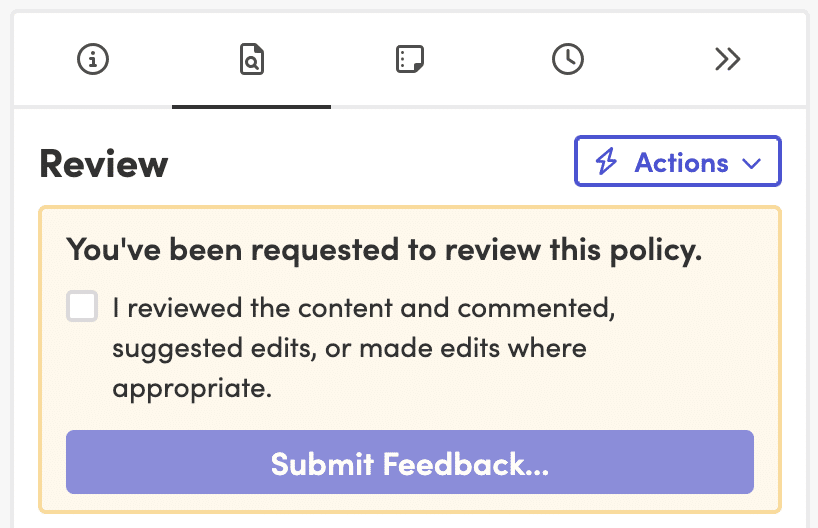
Your human reviewer will also need evidence. For example, a policy revision history shows what changed, when, and who made each edit, and lets you compare any two published versions side by side.
Curious how a documented review step would fit your team? Request a Blissbook demo.
What Should HR Do First?
Start with the AI use you already have, not the AI strategy you may build later.
Use this checklist to create a first version of your AI HR compliance process:
- List every AI tool used in recruiting, hiring, performance management, pay, scheduling, employee support, and policy work, and the locations where each one is used.
- Mark which tools make recommendations about people and which only help create or organize information.
- Review vendor documentation, notices, consent language, audit materials, and data practices for the tools that make recommendations.
- Create or update your employee AI-use policy.
- Decide which decisions need HR review, which need legal review, and how often you’ll revisit tools, policies, and law changes.
Then test the process with one real workflow, such as recruiting or employee policy questions. A small review can show where the policy is unclear, where employees need more guidance, and where the system needs a human handoff.
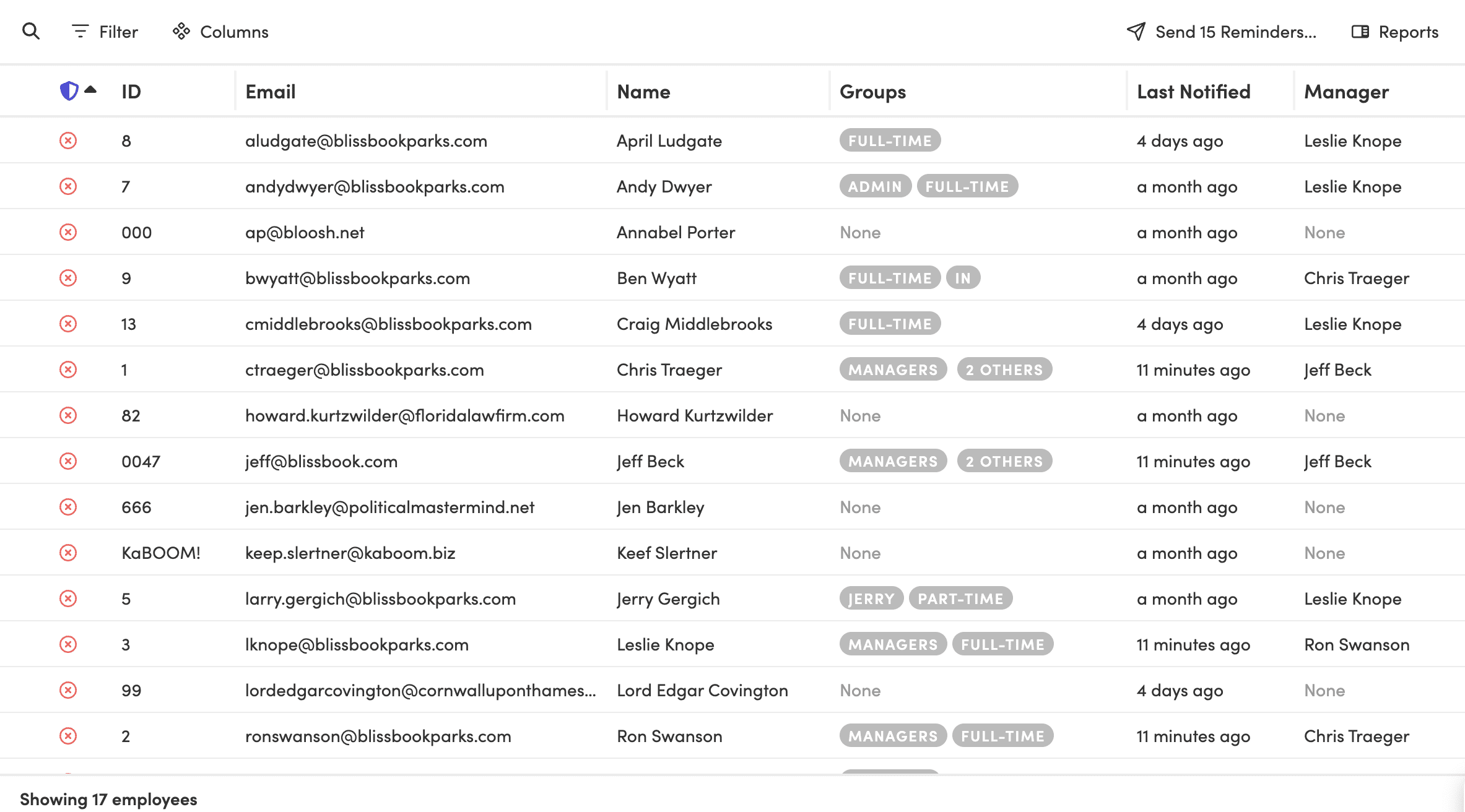
Remember the manager experimenting with applicant-ranking systems? Once your process is in place and your AI policy is in your handbook, you can check if they’ve read it. A reporting and acknowledgement process can help you track who was notified, who viewed a document, and who signed it.
AI HR Compliance FAQs
Does AI Create New Employment Law Obligations?
Existing discrimination laws apply whenever AI influences an employment decision, and some places have added AI-specific rules on top. Illinois, New York City, and Colorado have enacted requirements for notices, consent, bias audits, or human review. The obligation depends on the tool, decision, data, and location.
Does Every Company Need An AI Policy?
No single US law requires every company to have an employee AI-use policy, but one is still worth having if your employees use AI at work. A policy gives employees consistent rules for confidential information, review responsibilities, approved tools, and reporting concerns. Legal review is still appropriate before adopting or relying on the policy.
Can HR Use AI To Make Hiring Decisions?
HR can use AI in hiring only after reviewing the tool, the applicable requirements, and the safeguards around its use. In many workflows, AI should support a structured human process rather than make the final decision by itself.
What Should An AI Bias Audit Review?
An AI bias audit should review how the tool affects relevant groups and whether its results create unlawful disparate impact or other discrimination concerns. The scope and method should match the tool, the employment decision, the data, and the requirements that apply where the tool is used.
How Can HR Monitor AI Policy Changes?
HR can monitor AI policy changes by assigning one owner to review legal updates, vendor changes, and internal tool use. Then connect each relevant change to a policy review, an owner, a decision, and a record of what changed.
AI can take repetitive work off HR’s plate, but accountability still belongs with people who can review the facts, explain the decision, and change course when the output doesn’t hold up.