HR Authorization Policy: What It Is And What To Include
You approve a pay change, a manager approves overtime, Finance approves an expense, and an employee signs a payroll deduction form. If nobody can explain who had authority to approve each action, HR ends up sorting out the confusion after the fact.
This article covers how to build an HR authorization policy: who approves which decisions, which authorizations HR collects from employees, and how to get the policy acknowledged. It doesn’t cover the legal requirements for specific forms, such as state payroll deduction rules or Form I-9 steps.

What Is An HR Authorization Policy?
An HR authorization policy explains who has permission to make specific employment-related decisions and which actions require employee consent or documentation.
“Authorization” has two meanings in HR:
- Organizational authorization: who inside the company can approve an action.
- Employee authorization: the permission an employee gives the company to take an action that affects them.
For example, organizational authorization might mean that a manager approves time off for their team, a department leader approves overtime, and HR decides who can access sensitive employee data. On the employee side, that might mean signing off on a payroll deduction or completing the forms needed to verify work eligibility.
A good policy connects each authorization to an approver, specifies limits, escalation paths, and recordkeeping steps. It should also distinguish between approval and execution. A manager might approve a salary change, but HR or Payroll enters the change into the system.
Because authorization policies touch wage, privacy, immigration, and employment law, have a lawyer review yours before you publish it.
Who Can Approve What In An HR Authorization Policy?
The core of an HR authorization policy is a list of decisions and the role that can approve each one. If approval authority is vague, managers may treat similar situations differently or approve actions they aren’t responsible for.
Start with the decisions that cause the most confusion or carry the most risk:
- Hiring and job offers
- Pay changes, bonuses, and promotions
- Overtime and schedule changes
- Expenses and purchasing
- Time off and leave requests
- Policy exceptions
- Access to employee data
For each one, name the role with authority, any dollar or process limit, the required second approval, and the record you need to keep.
A simple approval matrix might look like this:
| Decision | Primary Approver | Additional Approver | Record |
|---|---|---|---|
| New hire | Hiring manager | HR | Approved requisition and offer |
| Pay change | Department leader | HR and Payroll | Compensation change record |
| Overtime | Direct manager | Department leader when required | Timekeeping record |
| Expense | Direct manager | Finance based on amount | Expense report |
| Time off | Direct manager | HR for protected leave | Time-off or leave record |
| Policy exception | HR | Legal or executive leadership when needed | Written exception |
| Employee data access | Data owner or HR | IT or security when required | Access request |
The matrix doesn’t need to cover every decision. Start with recurring approvals, then add decisions to the policy if employees or managers ask the same question more than once.
Need one place where HR, Legal and leadership review the policy and sign off on changes? See how Blissbook handles policy reviews and approvals.
What Employee Authorizations Does HR Collect?
Employee authorizations are the permissions, acknowledgments, and documents HR collects from employees during hiring and employment. Keep them separate from the approval matrix. The matrix explains who inside the company can make a decision, and employee authorizations are records of what the employee has provided, permitted, or acknowledged.
The right authorizations depend on your workforce and the action involved. Common categories include:
Payroll Deductions
Payroll deductions require clear employee authorization before the company deducts certain amounts from pay. The authorization should identify the deduction, explain how it works, and state when it starts or ends. Keep the authorization with the related payroll records.
Background Checks
Background checks require a separate process from general handbook acknowledgment. HR should explain what the check involves and collect the required authorization before ordering it. Store the authorization with restricted access because it can contain sensitive information.
Work Authorization
Work authorization confirms that a new hire has completed the required employment eligibility process. Your policy can explain the company’s process for Form I-9, any applicable E-Verify steps, how questions should be directed to HR, and the need for consistent treatment. Our work authorization policy template is a good starting point.
Other Employee Authorizations
Other employee authorizations may include permission for specific workplace activities, consent to certain communications, or acknowledgment of policies that apply to a particular employee group. Each form should say what the employee is authorizing, who receives the information, and how the record is maintained.
What Should An HR Authorization Policy Include?
A useful HR authorization policy includes: what requires authorization, who can approve it, what limits apply, what must be documented, when escalation is required, and how employees are notified.
Include these sections:
Purpose And Scope
Explain why the policy exists and which employees, managers, departments, entities, and locations it covers.
Definitions
Define approval, authorization, delegation, exception, employee data, and any other terms employees may interpret differently.
Approval Responsibilities
List the roles that can approve each type of action. Use job titles instead of individual names so the policy remains useful if people change roles.
Limits And Escalation
Explain authorization limits, approval thresholds, required second reviews, and situations that must go to HR, Finance, Legal, IT, or executive leadership.
Employee Authorizations
Identify the forms, consents, acknowledgments, and employment documents HR collects. Explain when each is required and where it’s stored.
Delegation And Temporary Coverage
Explain what happens when an approver is absent. Include who can act as a delegate, how the delegation is documented, and when it ends.
Data Access And Recordkeeping
State who can access approval records and employee authorizations. Include retention and confidentiality rules that match your organization’s broader practices.
Policy Review
Set a review owner and a process for updating the policy when your organization changes its systems, structure, locations, or employment practices. Keep the current policy, the forms it references, and its review history together, so nobody has to ask which version is current.
What Are Common Authorization Policy Mistakes?
A common mistake in authorization policies is listing approvers and stopping there. The policy might name a manager to approve travel expenses, but nobody knows the per diem limits, who approves expenses when they’re out, or where the approval gets recorded.
Avoid these patterns:
- Naming people instead of roles
- Describing approval authority without limits
- Treating employee acknowledgment as permission for every separate action
- Storing sensitive employee authorizations with broad handbook acknowledgments
- Failing to explain temporary delegation
- Keeping the policy in several documents that can drift apart
- Updating the policy without requiring a new acknowledgment when the change affects employees
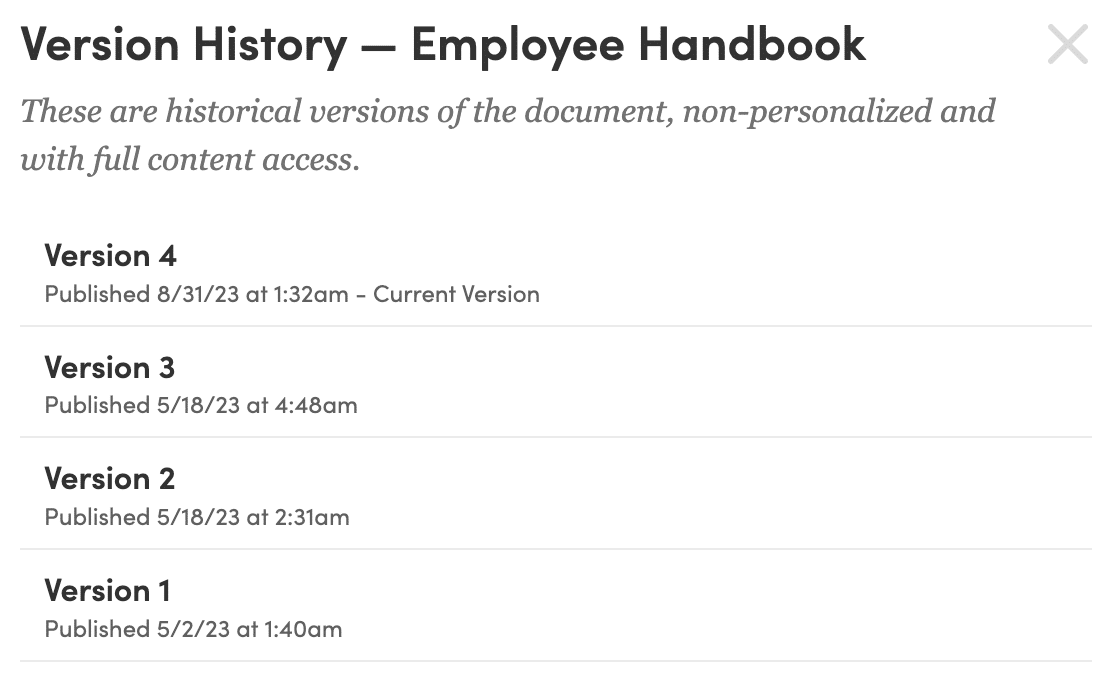
Version history helps you see what changed and who made the change. If a policy changes, explain the update in plain language and direct employees to the current version rather than sending several attachments.
Blissbook keeps a record of every policy change, including who made it and when, and shows a redline comparison of any two published versions. That record helps you show which authorization rules applied at a particular point in time.
How Can HR Make Sure Employees Read And Acknowledge The Policy?
Employees are more likely to read an authorization policy when it answers a question they have, like who can approve their overtime. Put the approval matrix near the beginning, use familiar job titles, and explain what employees should do when they aren’t sure who can approve an action.
Keep the acknowledgment separate from the policy itself. The acknowledgment should identify the document, confirm that the employee had access to it, and state what the employee is acknowledging.
A good acknowledgment process has four parts:
- Give employees access to the current policy.
- Provide employees enough time to read it and ask questions.
- Record whether employees were notified, viewed the policy, and signed the acknowledgment.
- Send reminders and follow up through the employee’s manager when needed.
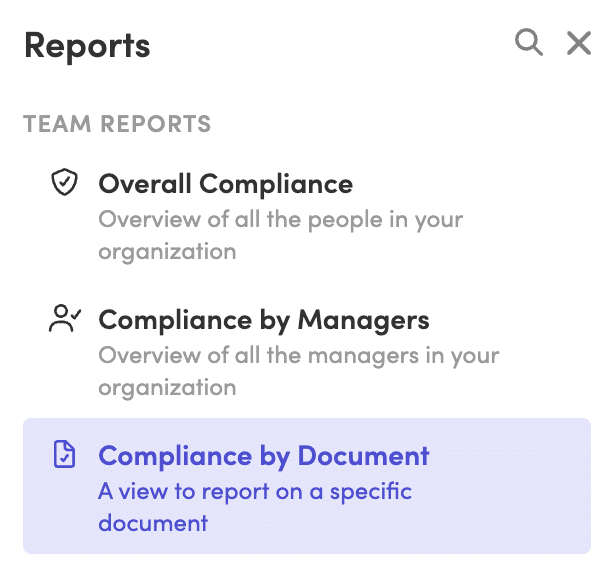
A digital handbook can simplify this process by showing employees the policies that apply to their location, employment status, or group, using employee details synced from your HRIS (for example, through Blissbook’s BambooHR integration). Blissbook’s personalized content can limit access to a policy, section, or block of text, and its Reporting Center tracks whether employees were notified, viewed the content, and signed.
For policy changes, use a new signature round when the update requires renewed acknowledgment. Automated reminders can go to employees who still need to sign, while manager escalation gives managers visibility into outstanding acknowledgments.
If you’re still tracking acknowledgments in a spreadsheet, we’ll walk you through how Blissbook collects and reports on signatures.
Authorization Policy HR FAQs
What Is An Employee Authorization?
An employee authorization is a permission, consent, acknowledgment, or required document that an employee provides to the organization. Examples include payroll deduction authorizations, background check consent, and work authorization documents.
Is An Authorization Policy The Same As A Delegation Of Authority Policy?
An authorization policy isn’t the same as a delegation of authority policy, though it can include delegation rules. A delegation of authority policy usually focuses more narrowly on who can act on behalf of another role. HR authorization policies often cover both internal approvals and employee authorizations.
Should Employees Sign An Authorization Policy?
Employees should acknowledge that they received and reviewed an authorization policy when it applies to their work. That acknowledgment doesn’t automatically replace separate consent or authorization forms required for payroll deductions, background checks, or other specific actions.
How Often Should HR Update An Authorization Policy?
HR should review an authorization policy whenever approval roles, systems, reporting lines, locations, or employee authorization requirements change. A regular review schedule helps in between, and you’ll want legal review whenever the policy covers jurisdiction-specific requirements.
Where Should HR Store Authorization Records?
Store approval records and employee authorizations in systems with access controls that match the sensitivity of the information. Keep the current policy separate from historical versions, and make it clear which version employees acknowledged.

Kamila Lipska
Kamila Lipska is a growth and digital marketing specialist with over 15 years of experience in SaaS and technology. At Blissbook, she focuses on making employee handbook, compliance, and HR communication topics easier to understand, using customer insights, search data, and real-world questions to create practical, useful content.